Concept-Based Teaching
We make learning fun, simple, and meaningful through Concept-Based Teaching. This means we help children understand big ideas instead of just memorizing facts. When kids learn big ideas, they can use what they know in many different places, not just in class.
What is Concept-Based Teaching?
Concept-Based Teaching is a special way of teaching that helps young children understand why things happen and how ideas connect.
Here is how to think about it:
• A concept is a big idea that we use in many places.
• It is not just one fact like “red” or “cat,” it is something we can use in many situations.
• Concepts help children learn more than one thing at the same time.
• They help children think more deeply and remember better.
For example:
• When we teach the idea “change”, children might see it in how seasons shift, how flowers grow, or how water becomes ice and then water again.
• When we teach the idea “patterns”, children might find them in shapes, music, or daily routines.
• Concepts help children learn things in a way that connects different parts of learning.
Why Concept-Based Teaching is Great for Preschool
At Devkul Pathshala, Concept-Based Teaching makes learning helpful and joyful. It lets children think, explore, and understand the world around them.
Here are the key benefits:
• Helps children understand big ideas
Children begin to think about why things are the way they are, not just what they are.
• Makes learning connected
Children see connections between different happenings. For example, patterns in shapes can be linked with patterns in music.
• Sparks curiosity and questions
Kids begin to ask “why?” and “how?” questions that help round out their thinking.
• Builds thinking skills
This teaching helps children think, compare, sort, and plan what they are doing.
• Encourages long-lasting learning
When children understand the concept, they remember it longer and use it again in new situations.
How We Teach Concepts in Preschool
Concept-Based Teaching at Devkul Pathshala is always fun and child-friendly. We use many different activities, so children learn with their senses, feelings, and brains.
Below are the simple ways we help children learn concepts:
1. Learning by Doing
Children learn best when they touch, explore, and try things by themselves.
• We let children pour water, mix colors, or sort objects to feel the ideas.
• They learn about size when they play with big and small blocks.
• They learn about patterns while making bead strings or clapping in a rhythm.
This way, children understand the concept with their hands and heart.
2. Storytelling with Concepts
Stories help children understand big ideas in an easy way.
• We use simple stories that show concepts like sharing, friendship, change, and patterns.
• Children listen and then talk about what they heard.
• We help children find the idea inside the story, not just the facts.
Children become curious and begin to talk about their own ideas too.
3. Play and Games
Play is a very important part of Concept-Based Teaching.
• Children play sorting games to learn about categories.
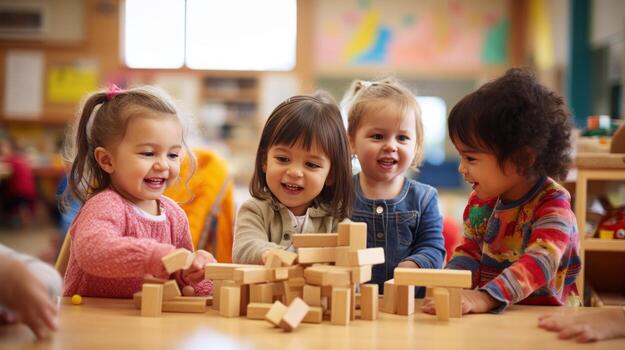
• They play with blocks and shapes to learn about geometry.
• They play pretend games to learn about roles and relationships.
Play makes learning fun and easy to remember.
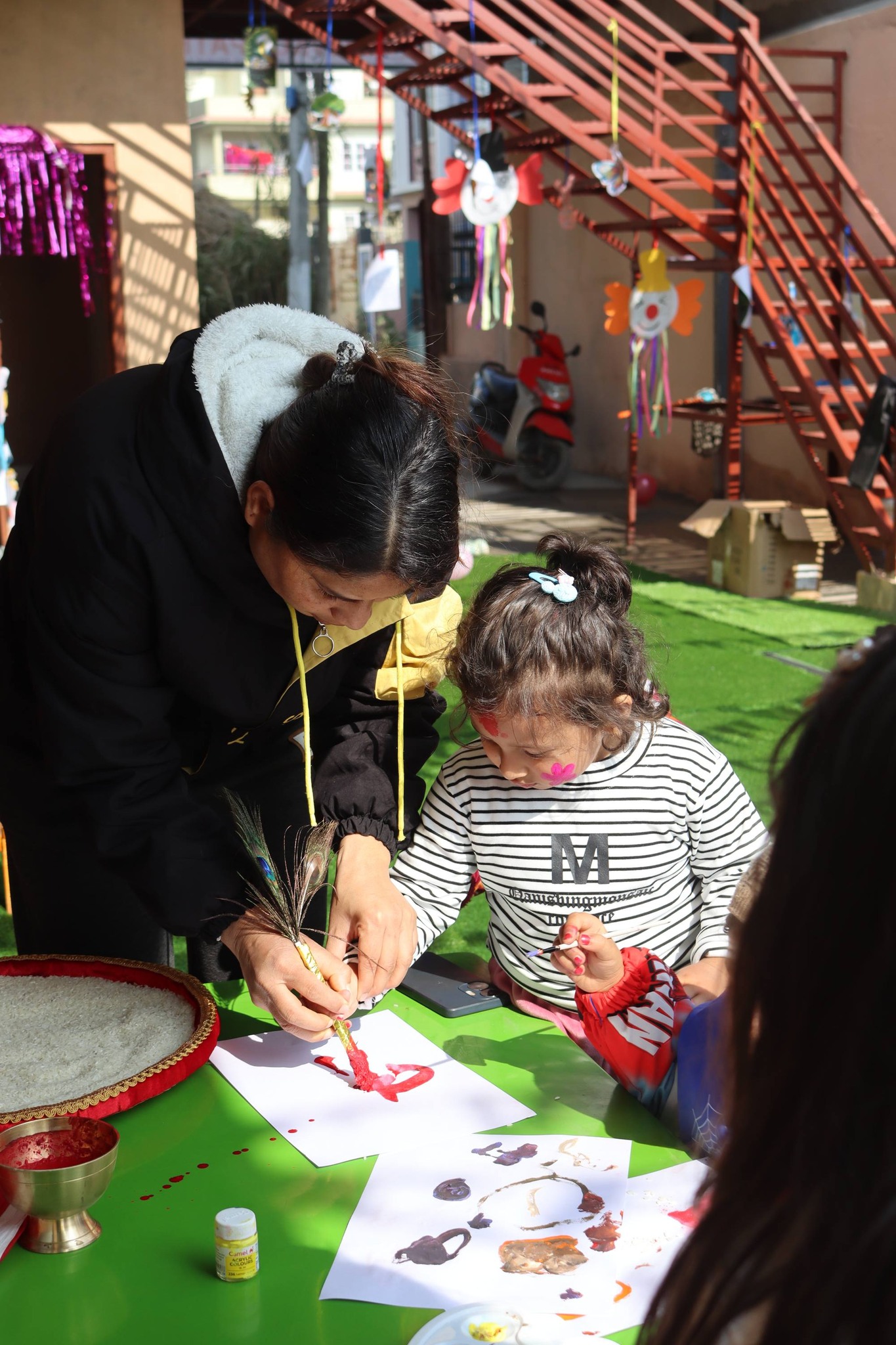
4. Art and Creativity
Art helps children’s express ideas that words cannot fully explain.
• Painting helps them see colors, shapes, and emotions.
• Drawing helps them organize their thinking.
• Craft activities show real-life examples of big ideas.
Art lets children respond to concepts in their own way, building confidence and creativity.
5. Real World Experiences
We take learning outside the classroom too.
• We go on small nature walks and talk about changes in seasons.
• We watch birds and learn about movement and sounds.
• We explore plants and talk about how they grow and transform.
This helps children connect school learning with real life.
Examples of Concepts Children Learn
Here are simple examples of concepts young children meet in class:
• Change
• How water can melt or freeze
• How a seed becomes a plant
• Patterns
• Tapping patterns in music
• Shapes in a design
• Sequence in daily routines
• Size and Measurement
• Big and small
• Long and short
• Taller and shorter
• Sorting and Grouping
• Putting blocks by colour
• Grouping animals by kinds
• Organising toys by size
• Relationships
• Friend and family
• Near and far
• More and less
These ideas help children think in many ways, not just remember things.
What Children Develop Through Concept-Based Teaching
At Devkul Pathshala, we watch children grow in many ways.
Thinking Skills
Children learn to observe, compare, organize, and decide what they see around them.
Language Skills
As children talk about big ideas, their vocabulary grows naturally.
Social Skills
When children work with friends on concept activities, they learn to share, communicate, and cooperate.
Confidence and Joy
When children discover ideas with their own minds, they feel proud and happy to learn.
Problem Solving
They learn to find answers by thinking, asking questions, and trying again.
Daily Concept-Based Activities in Class
Below is a simple list of the kinds of activities we do with children every day that support Concept-Based Teaching:
Sorting and Grouping Activities
• Sorting blocks by color or shape
• Grouping toys by size
• Putting leaves by texture
These help children understand differences and group ideas.
Pattern Games
• Clapping or jumping in patterns
• Making what comes next in a series
• Identifying repeating designs
Patterns help children think logically.
Hands-On Science Activities
• Water play (sink or float)
• Watching shadows move
• Mixing colors
These activities show big ideas about the world.
Math with Everyday Things
• Counting toys
• Matching numbers with objects
• Measuring lengths with strings
Math becomes fun and concrete.
Story Time with Ideas
After reading a story, children talk about the main idea in it.
For example:
• What was the big idea in this story?
• Did the character show friendship or helpfulness?
This helps children connect feelings and actions.
How Teachers Support Concept-Based Learning
Our teachers are trained to help children explore ideas with care. They do this by:
• Asking thoughtful questions like
• “What do you notice?”
• “Why do you think that happened?”
• “Can you find another example?”
• Letting children think before answering
• Giving time to explore ideas patiently
• Encouraging discussion among children
This builds strong thinking habits in young minds.
How Parents Can Help at Home
Parents can support these concepts in daily life:
• Talk about ideas during play
• Ask children questions about what they see
• Let children explore messy play like water or sand
• Read stories and discuss the big idea
When home and schoolwork together, learning becomes stronger.
Concept-Based Teaching helps children:
• Think deeply and creatively
• Connect ideas across activities
• Develop lifelong skills for learning
• Build confidence that lasts
This teaching style turns every small activity into a big idea adventure for your child. With fun, care, and meaningful learning, children grow to become curious thinkers, happy learners, and confident individuals ready for any challenge.
Facilities
Recent Posts
-

Play-Based Learning and Child Development
Jan 23, 2026 | Devkul Pathshala
-

Creating a Safe and Inspiring Learning Environment at Devkul Pathshala
Jan 23, 2026 | Devkul Pathshala
-

How Devkul Pathshala Prepares Children for a Bright Future
Jan 23, 2026 | Devkul Pathshala
-

Top Strategies to Support Early Childhood Development
Jan 23, 2026 | Devkul Pathshala
-
Creating a Strong Start for Children with Devkul Pathshala
Jan 23, 2026 | Devkul Pathshala