Discipline, Values & Overall Development
We believe that learning is not just about letters, numbers and colors. We help children grow in many ways, so they become kind, confident, curious, and happy.
Here we focus on discipline, good values, and the overall development of every child. This means that children learn with fun and care while becoming better at thinking, behaving, and interacting with others.
Our activities help children learn how to live well with friends, respect others, follow rules, solve problems, and feel good about themselves. They will learn more each day through play, group activities, and real-world experiences.
What Is Discipline?
Discipline means learning to follow rules, behave well, and do things in the right way. At Devkul Pathshala, discipline is taught with love, patience, and encouragement.
In simple words, discipline helps children:
- Know what is right and what is not
- Listen carefully to teachers and friends
- Do things on time and with focus
- Wait for their turn and share with friends
- Take care of classroom things
We show discipline in a positive way so that children feel safe and happy to learn. Instead of scolding, we help children understand why good behavior matters.
How We Teach Discipline Every Day
We use several fun and caring ways to teach discipline:
- Simple Classroom Rules
We use easy rules like “Walk inside,” “Raise hand to speak,” and “Share toys with friends.” These help children know what to do and what to expect in school. - Positive Encouragement
When a child does something good, we say “Well done!” or “Thank you!” This makes children feel proud and want to behave well again. - Daily Routines
Children learn good habits by doing simple tasks daily like washing hands, arranging books, and sitting in circle time. Routines give children a sense of order and confidence. - Gentle Guidance
If a child forgets a rule, teachers explain clearly and kindly so that the child understands and tries again.
These ideas help the children learn discipline in a natural way so that they follow rules because they understand them, not because they are scared.
What Are Values?
Values are the good qualities that help us be good people.
At Devkul Pathshala, we help children understand and practice values like:
- Kindness
- Respect
- Sharing
- Friendship
- Honesty
- Helpfulness
- Care for others
- Patience
When children learn these values, they grow into children who care for their friends, family and community.
How We Help Children Learn Values
We use different activities that teach values gently and wisely:
- Story Time With Meaning
We read stories about friendship, caring, sharing, and helping others. These stories show children how good values look in real life. - Group Activities
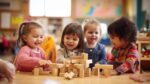
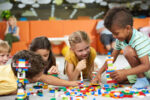
When children play or work together, they learn how to share, wait for friends, listen, and help one another. - Role Play and Simple Acts
Children act out scenes like helping a friend clean up toys or greeting a visitor with a smile. This shows them how to do kind actions in real life. - Value Moments in Daily Talk
Teachers talk about values in simple language every day. For example, “When we share, we make our friends happy!”
These learning moments help children feel proud when they make good choices and show care towards others.
Overall Development – What Does It Mean?
Overall development means helping children become well-rounded.
This includes growth in many areas like:
- Thinking and problem solving
- Speaking and listening
- Emotions and feelings
- Social skills with friends
- Physical strength and movement
- Creativity and imagination
- Confidence and independence
We do many activities, so children learn in all these areas at the same time.
Development Through Everyday Activities
1. Social and Emotional Growth
Children learn how to:
- Making friends
- Solving small problems
- Express their feelings with words
- Say sorry and forgive
- Celebrating others’ success
When children learn to talk about their feelings and understand others, they become confident and kind.
2. Communication and Language Skills
We help children:
- Learn new words
- Tell short stories
- Listen carefully to others
- Speak clearly with friends and teachers
Listening to rhymes, talking about pictures, and sharing stories are all part of this learning.
3. Cognitive Development
Children learn how to:
- Think and solve problems
- Notice patterns and colors
- Recognize shapes and numbers
- Ask questions and explore answers
Fun games and puzzles help children think and discover new ideas.
4. Fine Motor Skills
Fine motor skills help children do things with their hands like drawing, buttoning clothes, and holding pencils.
We use activities like:
- Drawing and coloring
- Cutting with child-safe scissors
- Bead threading
- Clay mounding
- Sticker fun
These activities also make children feel proud of what they can do with their hands.
5. Gross Motor Skills
These are skills children use for big movements. We help them:
- Run and jump
- Balance and climb
- Dance and stretch
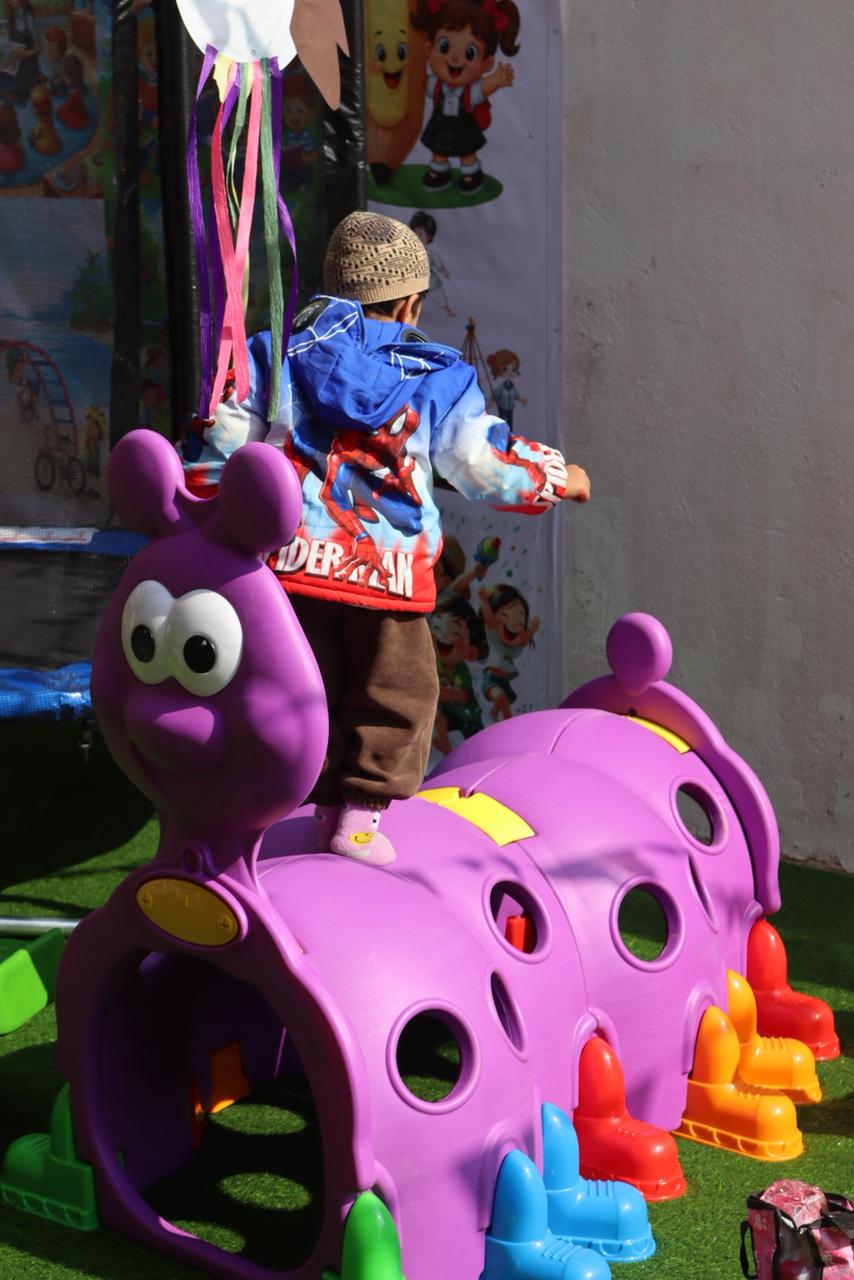
- Play outdoor games
Gross motor activities help children become stronger and more active.
Play and physical movement are important for healthy bodies and happy minds.
6. Creative Arts and Expression
Art is a wonderful way for children to show how they feel and think.
We use activities like:
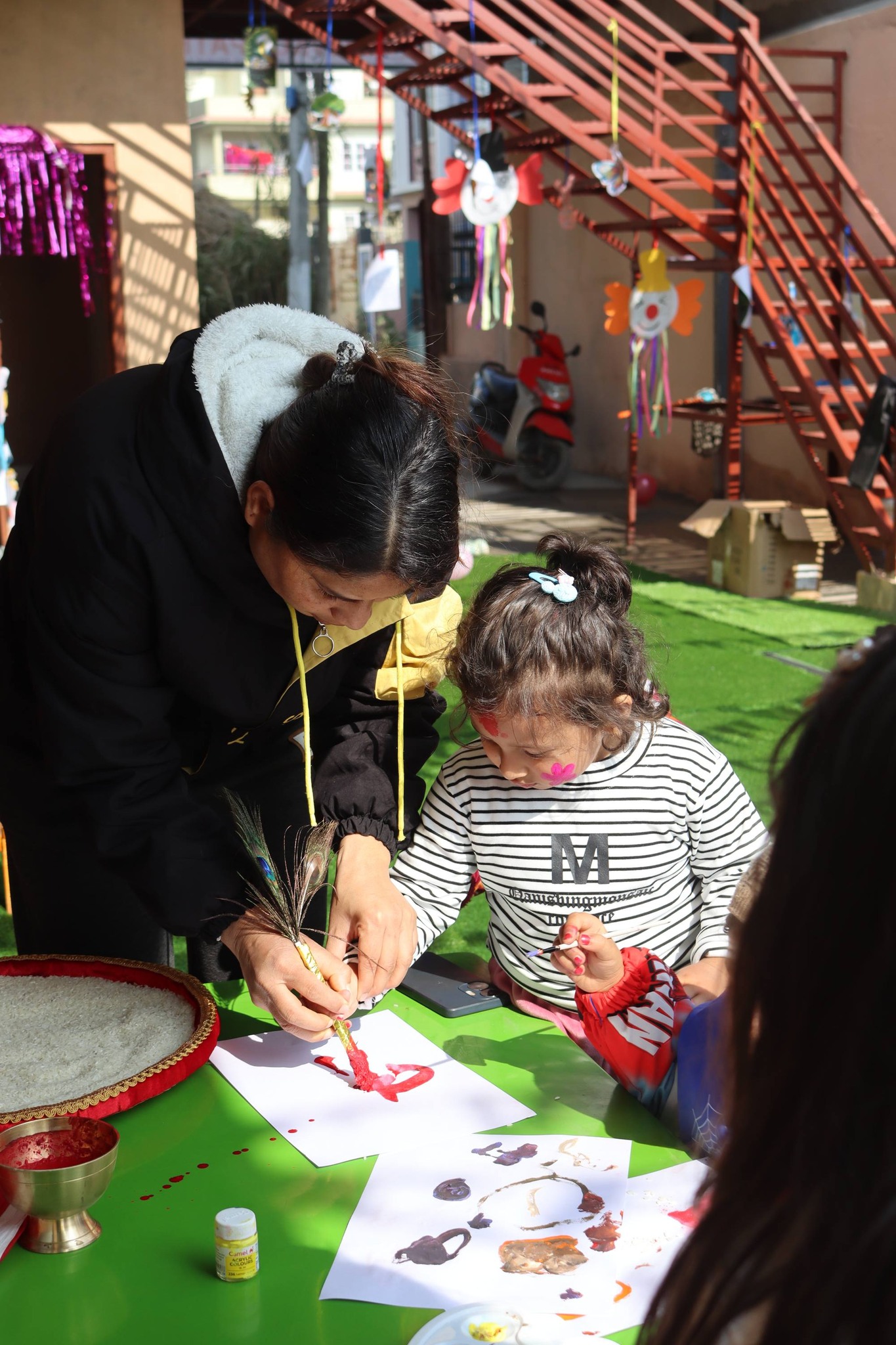
- Painting with brushes and fingers
- Making craft pieces with paper and glue
- Singing songs and doing simple dances
- Acting out short plays
Through these, children learn to express themselves and enjoy creativity.
7. Play Based Learning
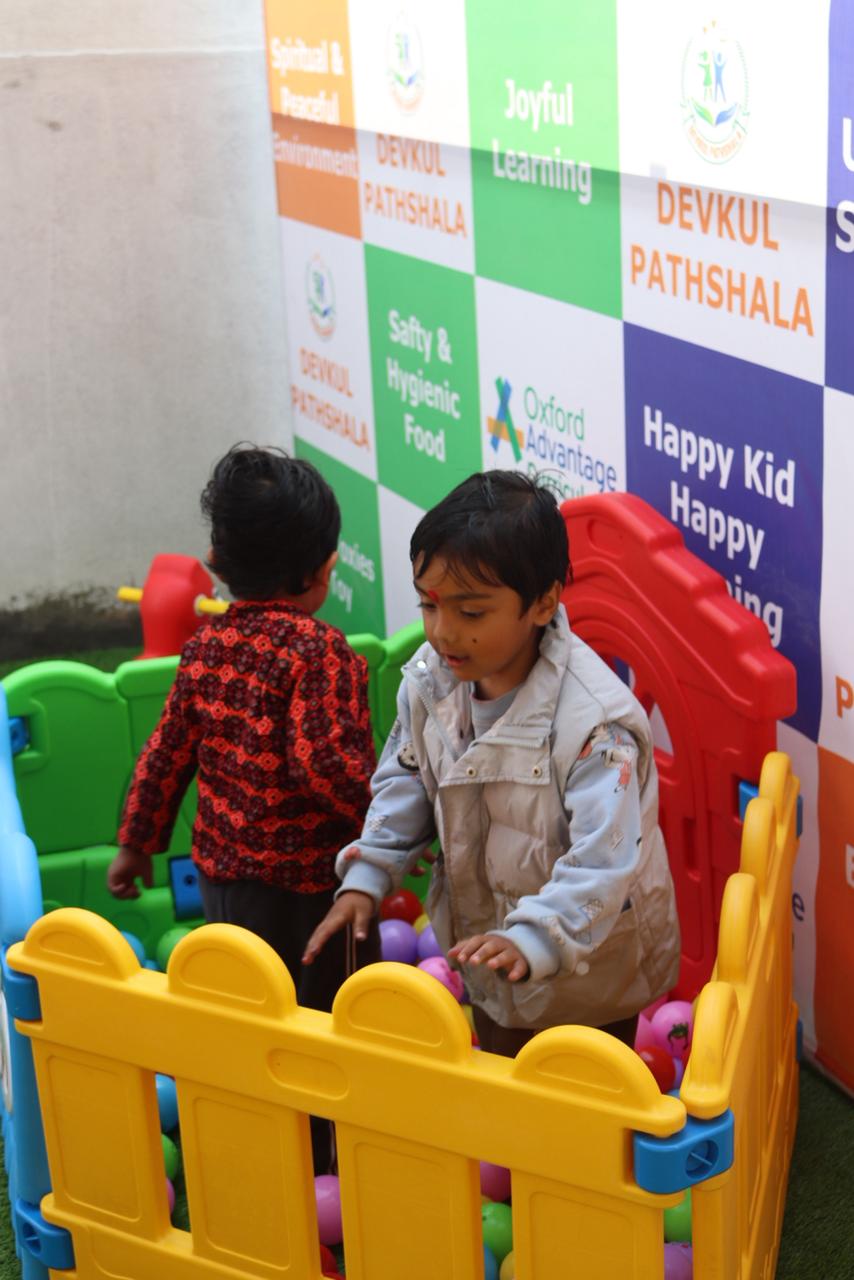
We believe that children learn best when they play.
Play activities help children:
- Explore their surroundings
- Make choices and decisions
- Develop imagination
- Learn with friends
- Build confidence while trying something new
Play time is joyful and full of learning.
Daily Activities That Support Discipline, Values and Growth
Here are some ways children learn every day:
Circle Time
Children sit in a circle and:
- Share ideas
- Listen to stories
- Singing songs
- Talk about feelings
This helps children listen, speak and understand others.
Group Play
When children play together, they learn to:
- Take turns
- Share toys
- Help their classmates
- Follow simple rules
These are small steps toward big emotional skills.
Task Time
Children do small tasks like:
- Tidying up toys
- Putting books on shelves
- Helping friends with simple work
This teaches responsibility and independence.
Stories and Lessons
Stories help children learn values simply and clearly.
Talking about:
- Being honest
- Helping others
- Being kind
- Respecting friends
These lessons stay in their hearts and minds.
Celebrating Good Behavior
When children show good actions like sharing, helping others, or listening carefully, we:
- Praise them
- Cheer for them
- Give stickers or simple rewards
This makes children happy and encouraged to behave well again.
Why This Matters for Children
Learning discipline, values, and growth skills now helps children:
- Have good habits for life
- Get ready for school and beyond
- Make strong friendships
- Become confident learners
- Face new challenges with courage
Our school is not only a place to learn ABCs and numbers but also a place where children learn how to live beautifully with others.
We are proud to be a part of every child’s early learning journey where discipline, values, and overall development shine brightly.
Facilities
Recent Posts
-

Play-Based Learning and Child Development
Jan 23, 2026 | Devkul Pathshala
-

Creating a Safe and Inspiring Learning Environment at Devkul Pathshala
Jan 23, 2026 | Devkul Pathshala
-

How Devkul Pathshala Prepares Children for a Bright Future
Jan 23, 2026 | Devkul Pathshala
-

Top Strategies to Support Early Childhood Development
Jan 23, 2026 | Devkul Pathshala
-
Creating a Strong Start for Children with Devkul Pathshala
Jan 23, 2026 | Devkul Pathshala